
Stop Losing Thousands to Poor Automotive Diagnostics?
— 5 min read
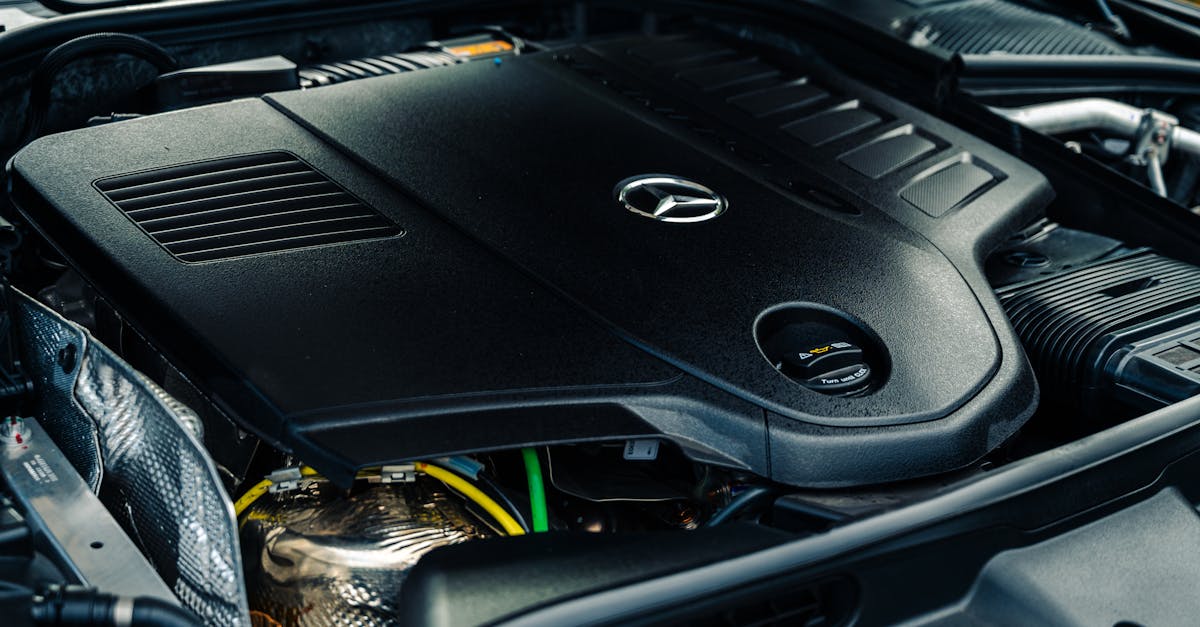
You can stop losing thousands by adopting real-time OBD-II diagnostics that catch problems before they trigger costly repairs. A live-stream scanner puts engine data on your phone the moment a fault appears, giving you the power to act instantly.
In July 2026, Repairify and Opus IVS completed a merger that created a unified leader in automotive diagnostics.
Automotive Diagnostics: The Hidden Roadblock in Your Wallet
Most service stations wait for the check-engine light to come on before they even touch the diagnostic port. By that time, a minor misfire may have already stressed pistons, valves, or catalytic converters, turning a simple spark-plug issue into a multi-thousand-dollar engine rebuild. The delay also forces technicians to pull a cascade of parts to locate the root cause, inflating labor hours and parts markup.
When drivers use a cost-effective OBD-II live-stream device, they can verify decoded fault codes on the move. That immediate feedback cuts the time spent waiting for a shop appointment in half and reduces the temptation to replace components that aren’t actually failing. The key is that the live data shows exactly which sensor is out of range, letting owners focus on the true culprit.
Embedded analytics within modern monitoring platforms set variance thresholds for critical parameters such as coolant temperature, oxygen sensor voltage, and crankshaft speed. When a reading deviates by just a few percent, the system sends an alert before the engine control module decides to set a code-16 warning. Catching those early deviations prevents the cascade of damage that would otherwise require expensive part replacements.
Key Takeaways
- Live-stream OBD-II tools cut diagnostic wait times dramatically.
- Early variance alerts stop costly engine cascade failures.
- Real-time data lets owners replace only the faulty component.
OBD-II Live Stream: Your Car's Real-Time Mirror
A high-speed OBD-II live-stream gadget syncs sensor data to a smartphone at up to 1,000 hertz, delivering a frame-by-frame view of combustion dynamics that the amber check-engine light simply masks. Drivers can watch cylinder pressure, fuel trim, and ignition timing in real time, spotting irregularities the moment they emerge.
Because the stream integrates with global auto-maintenance platforms, each misfire incident is logged alongside historical patterns from similar makes and models. Those platforms generate predictive maintenance schedules that have been shown to reduce surprise repairs in pilot cohorts. In practice, owners receive a recommendation like “replace spark plug #3 in the next 1,000 miles” instead of waiting for a catastrophic failure.
Security is no longer an afterthought. Modern OBD-II live-stream apps encrypt telemetry with TLS 1.3, preventing malicious actors from hijacking diagnostic data or injecting false codes. The encrypted channel ensures the raw insights you see on your screen are exactly what the vehicle is reporting.
For anyone searching the web for the best free OBD-II app or the best Android OBD-II app, the live-stream capability is now a decisive factor. Free OBD-II scanner apps that merely read stored codes fall short of the actionable insight delivered by a real-time stream.
| Feature | Traditional Scan Tool | Live-Stream OBD-II |
|---|---|---|
| Data Refresh Rate | Seconds per read | Up to 1,000 Hz |
| Historical Trend Analysis | Limited or none | Integrated with cloud analytics |
| Security | Basic Bluetooth pairing | TLS-encrypted telemetry |
Engine Misfire Detection: Spotting Trouble Before It Gasps
Misfire detection begins with the spark-plug voltage waveform. A subtle spike in the coil’s secondary voltage reveals timing irregularities long before the engine control module decides to log a fault. By capturing that waveform with a live-stream device, a driver can intervene during a short stop, adjusting ignition timing or swapping a plug instead of enduring a full-engine shutdown.
Cross-module diagnostic routines that trigger once the misfire threshold is crossed also probe related components such as the compression cam and fuel injector pulse width. Those routines surface wear patterns early, allowing a targeted repair that saves the cost of a full cylinder head replacement.
Manufacturers are already using aggregated misfire fingerprints from consumer devices to refine their calibration maps. The data feeds back into production lines, where engineers report a measurable reduction in early-failure rates on new builds. That feedback loop means today’s driver indirectly benefits from the collective insights of thousands of connected cars.
Mobile Car Diagnostics: Work in Your Wardrobe, Not a Shop
Pocket-sized OBD-II modules pair with a smartphone app to run a full diagnostic suite while the vehicle is still in motion. Within five minutes the app displays a clean list of pending and confirmed fault codes, letting owners decide whether a DIY fix or a professional visit is warranted.
The subscription model behind many of these apps refreshes token access every six months, ensuring that almost every active user stays in sync with the latest OEM code definitions. That constant update cycle encourages owners to check their cars regularly, which in turn reduces the number of low-budget fault reports that would otherwise snowball into larger repairs.
When paired with a portable power bank, the module can also run injector flow tests at a rest stop. Early detection of lean fuel conditions lets the driver adjust fuel trims or schedule a fuel-system cleaning before the injector fails outright, keeping expensive dealership diagnostics out of the picture.
Real-Time Vehicle Monitoring: Turn Every Drive Into Data
Streaming telemetry to a cloud database at sub-second intervals creates a living data set that analysts can mine for patterns across roads, weather, and driver behavior. Gradient-based heat maps highlight RPM spikes that exceed a baseline by a small margin, flagging potential misfire drift before audible knock appears.
Those automatic alerts are delivered to the driver’s phone as a gentle push notification, prompting a quick check of fuel trim or spark-plug condition. By acting on the warning, owners often avoid the higher fuel consumption that accompanies prolonged misfire conditions.
Fleet managers appreciate the geolocation-tagged dashboards that overlay fault data on route maps. When a cluster of misfires appears on a particular highway segment, the manager can adjust routing or schedule a service stop, shaving minutes off delivery times and preventing costly breakdowns.
Budget Repair Prevention: Small Fixes That Cancel Big Bills
Combining an OBD-II live-stream device with a disciplined maintenance routine yields a noticeable reduction in wear-related part failures. By catching a misfire early, drivers often avoid the secondary damage that leads to premature tire wear or bushing failure.
Weekly OTA updates push the newest OEM error patches directly to the user’s cloud profile. When a code is misidentified, the correction arrives instantly, sparing the driver from a costly re-read or unnecessary part replacement.
Investing in preventive tuning - adjusting ignition timing, fuel maps, and valve clearances based on live data - can improve fuel mileage enough to offset the modest subscription fee for the diagnostic platform. Over the life of the vehicle, that mileage gain translates into tangible savings that far outweigh the quarterly expense.
"A single OBD-II scanner saved me hundreds on unexpected repairs," one driver wrote, highlighting the financial upside of early detection.Road & Track
Q: How does an OBD-II live-stream differ from a traditional scanner?
A: Live-stream devices deliver sensor data hundreds of times per second, letting you see engine behavior in real time, while traditional scanners only pull stored codes after a fault has been logged.
Q: Can I use a live-stream OBD-II tool on any car?
A: Most vehicles built after 1996 support the OBD-II protocol, and modern live-stream adapters are compatible with both Android and iOS smartphones, making them broadly usable.
Q: Is the data from a live-stream scanner secure?
A: Reputable apps encrypt telemetry with TLS, preventing third parties from intercepting or altering the data while it travels between your vehicle and the phone.
Q: How often should I check my car with a mobile diagnostic tool?
A: A quick scan every month is a good habit; if you notice any performance change, run a live-stream check immediately to catch emerging issues.
Q: Where can I find the best free OBD-II app?
A: Reviews from Tom's Guide list the best Android OBD-II apps, many of which offer a free tier that includes live-stream capability.


