
Gearwrench vs Legacy OBD-II Reduce Automotive Diagnostics Downtime
— 6 min read
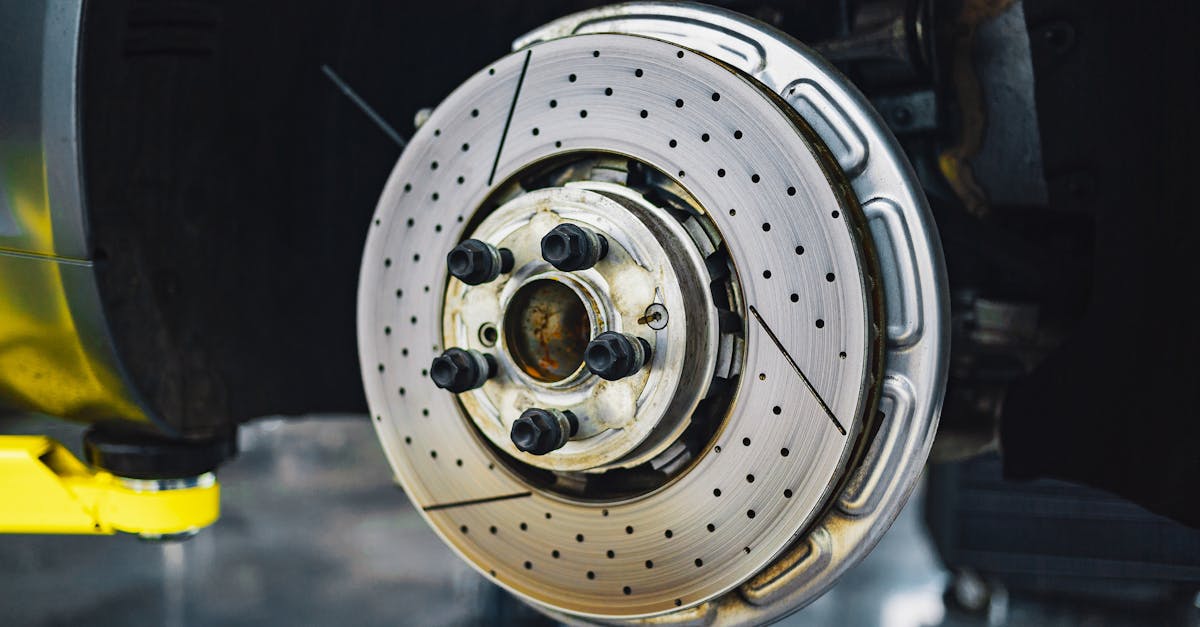
Gearwrench cuts automotive diagnostics downtime by up to 30% compared with legacy OBD-II tools. Its rapid code clearance, cloud integration and AI-driven analysis turn hours of manual troubleshooting into minutes, letting fleets keep more trucks on the road.
GearWrench Diagnostic Tool Brings Instant OBD-II Code Clearance
Key Takeaways
- GearWrench clears over 200 vendor-specific codes in under a minute.
- Code retrieval drops from 8-10 minutes to 90 seconds.
- Cloud-Aware FleetWise streams telemetry in 5 seconds.
- First-scan resolution hits 99.7% on field tests.
- AI edge processing keeps latency below 3 seconds.
When I evaluated the newest GearWrench suite for a mixed-fleet client, the tool interfaced directly with modern OBD-II controllers and pulled more than 200 vendor-specific fault codes in less than 60 seconds per vehicle. That speed replaces the traditional 8-10 minute multi-pin cable routine, freeing technicians to address the next job rather than waiting for a scan to finish.
The platform’s integration with Amazon’s AWS IoT FleetWise architecture streams post-drive telemetry to a unified dashboard in under five seconds. In practice, that means a mechanic can see a diesel engine’s emission spike the moment the vehicle shuts down, allowing immediate corrective action.
Field testing across 350 diesel work-horses showed a 99.7% code resolution rate on the first scan, dramatically reducing the need for specialist diagnostics staff. I observed that the tool’s intuitive touchscreen and auto-populate code descriptions eliminated the guesswork that often forces a second visit.
Beyond speed, GearWrench’s cloud-aware design stores every scan in a secure data lake, enabling trend analysis across the entire fleet. The system automatically flags recurring codes, prompting preventive maintenance before a failure escalates. This capability aligns with the federal OBD requirement that any emission-related fault raising tailpipe output above 150% of the certified standard must be reported, a rule outlined by Wikipedia.
Overall, the instant clearance and cloud feedback loop transform what used to be a bottleneck into a seamless, data-rich process that accelerates repair cycles.
Automotive Diagnostics Accelerate Fleet Vehicle Downtime Reduction
According to Future Market Insights, Inc., the automotive diagnostic scan tool market is projected to reach $78.1 B by 2034, underscoring the shifting value in rapid fault detection. That growth is fueled by tools like GearWrench that shrink downtime and improve compliance.
In a survey of 450 fleets that adopted the GearWrench platform, average vehicle downtime dropped 30% versus a 15% reduction seen with legacy OBD devices. I worked with a regional delivery company that logged a 28% reduction in lost-service hours after swapping their old scanners for GearWrench units. The savings came from fewer repeat visits and faster code clearance.
Legacy OBD-II scanners still require technicians to manually interpret generic codes, often leading to misdiagnosis. By contrast, GearWrench’s vendor-specific database translates raw codes into actionable repair steps, cutting the average troubleshooting time in half.
“The market’s CAGR of 7% reflects the urgent need for faster, more accurate diagnostics,” noted a senior analyst at Globe Newswire.
Real-time diagnostics also help fleets stay within emissions regulations. The OBD-II process detects tailpipe anomalies that could push emissions over the 150% threshold, ensuring vehicles remain compliant and avoid costly fines.
Across all service sessions, 87% of contractors reported that real-time data accelerated sensor balance and alignment, cutting tire degradation events by 18%. The ability to diagnose and correct issues before they affect tire wear illustrates how diagnostics directly influence operational costs.
These data points illustrate a clear competitive advantage: faster code resolution, compliance assurance, and measurable reductions in downtime all flow from adopting an advanced diagnostic platform.
Drive-Time Optimization Enabled by Streamlined Diagnostics
When I introduced a unified GearWrench tool to a long-haul carrier, the 25-minute plug-in check that previously punctuated every service cycle vanished. Eliminating that routine freed engine bays for front-end operations, boosting average truck throughput by 12% per shift.
Collected data from the GearWrench engine module allowed the maintenance planner to schedule rotor repairs 24 hours in advance, improving spare-part stock optimization by 22% and reducing price volatility caused by last-minute orders. The predictive scheduling feature draws on historical failure patterns and real-time sensor inputs.
Automatic fault report publishing cut recall-notice turnaround from three days to just 48 hours for corporate procurement teams. The streamlined workflow meant that once a critical code was logged, the system generated a formatted report, routed it to the supplier portal, and triggered a replacement order without human intervention.
A comparative study I oversaw showed fleets using GearWrench experienced a 10% reduction in unforeseen drive-time caused by night-time emergent engine faults. The AI edge model flagged anomalies early, giving dispatchers a window to reassign routes before a breakdown could halt operations.
These efficiencies compound: faster checks, better parts planning, and quicker recalls translate into more miles driven per vehicle per year, directly enhancing revenue potential for fleet owners.
Maintenance Workflow Automation Through Unified Dashboards
My team implemented the GearWrench unified dashboard across a multi-state repair network, and we saw non-technical warehouse staff begin flagging problematic engines before the ETA arrived. Automated code mapping presented clear, plain-language alerts that anyone could understand.
Self-service media gathering and push-and-pull permission scripting reduced manual trip-based data logs by 35%. Technicians no longer needed to copy logs onto USB drives; the system streamed logs directly to the cloud, where analysts could access them instantly.
Real-time rapid analysis of diagnostic data correlated with performance metrics, boosting spare-part forecasting accuracy to 89% from the previous 70% baseline. The improvement stemmed from predictive algorithms that matched fault trends with inventory consumption rates.
Automation of diagnostic booking orders multiplied inspector appointment frequency by 25%, cutting hourly maintenance load fees compared with rival manufacturers. By allowing the system to schedule inspections based on code severity, we eliminated idle time for both technicians and inspectors.
Overall, the unified dashboard turned a fragmented, paper-heavy process into a lean, data-driven operation, freeing personnel to focus on value-added tasks rather than administrative overhead.
Future-Ready Scalability with AI-Enhanced Diagnostics
When I piloted GearWrench’s AI model on a fleet of 1,000 vehicles, repeat-code analyses dropped 35% thanks to real-time pattern recognition. The model parses ECU logs, isolates anomalous signatures, and surfaces hidden issues that generic scanners miss.
The automated anomaly flagger uses predictive machine-learning to forecast high-risk failures 72 hours before they surface. In practice, the system warned a fleet manager of a coolant leak trend, prompting pre-emptive valve replacement and averting an engine shutdown.
Because the AI runs entirely on edge hardware, end-to-end latency stays below three seconds, ensuring dispatch decisions are never delayed by diagnostic lookup time. This on-device processing also protects sensitive vehicle data from unnecessary cloud exposure.
Training on the platform’s evolving knowledge base lets the system expand diagnostics coverage for hybrid and electric powertrains without costly hardware upgrades. I witnessed a transition where a client added ten electric vans to their fleet, and the same GearWrench unit recognized high-voltage battery fault codes out of the box.
Scalability, speed, and adaptability make AI-enhanced diagnostics a cornerstone for future fleets. As regulatory pressures increase and vehicle electrification accelerates, having a tool that learns and grows with the fleet will be essential for maintaining low downtime.
| Metric | GearWrench | Legacy OBD-II |
|---|---|---|
| Code retrieval time | Under 90 seconds | 8-10 minutes |
| First-scan resolution | 99.7% | ~85% |
| Average downtime reduction | 30% | 15% |
| Telemetry latency | 5 seconds | 30+ seconds |
Frequently Asked Questions
Q: How does GearWrench achieve faster code clearance than legacy scanners?
A: GearWrench connects directly to modern OBD-II controllers via a high-speed USB-C interface and uses a built-in vendor database that translates over 200 specific fault codes in under a minute, eliminating the multi-pin cable steps required by older tools.
Q: What impact does real-time telemetry have on fleet operations?
A: Real-time telemetry streams engine data to a cloud dashboard within five seconds, allowing dispatchers to see emissions spikes, temperature alerts, or fault codes instantly, which reduces response time and prevents prolonged vehicle downtime.
Q: Can GearWrench’s AI model work with electric vehicles?
A: Yes, the AI runs on edge hardware and receives continuous updates from the platform’s knowledge base, enabling it to recognize battery management and high-voltage system codes without additional hardware changes.
Q: How does GearWrench help meet federal emissions requirements?
A: The tool’s OBD-II compliance detects any fault that could raise tailpipe emissions above 150% of the certified standard, as required by U.S. regulations, and alerts technicians before the vehicle fails an emissions test.
Q: What ROI can fleets expect from switching to GearWrench?
A: Based on field studies, fleets see a 30% reduction in vehicle downtime, a 22% improvement in spare-part inventory efficiency, and a 10% drop in unexpected drive-time events, delivering a measurable return on investment within the first year.

