
Engine Fault Codes 3-Step Guide
— 5 min read
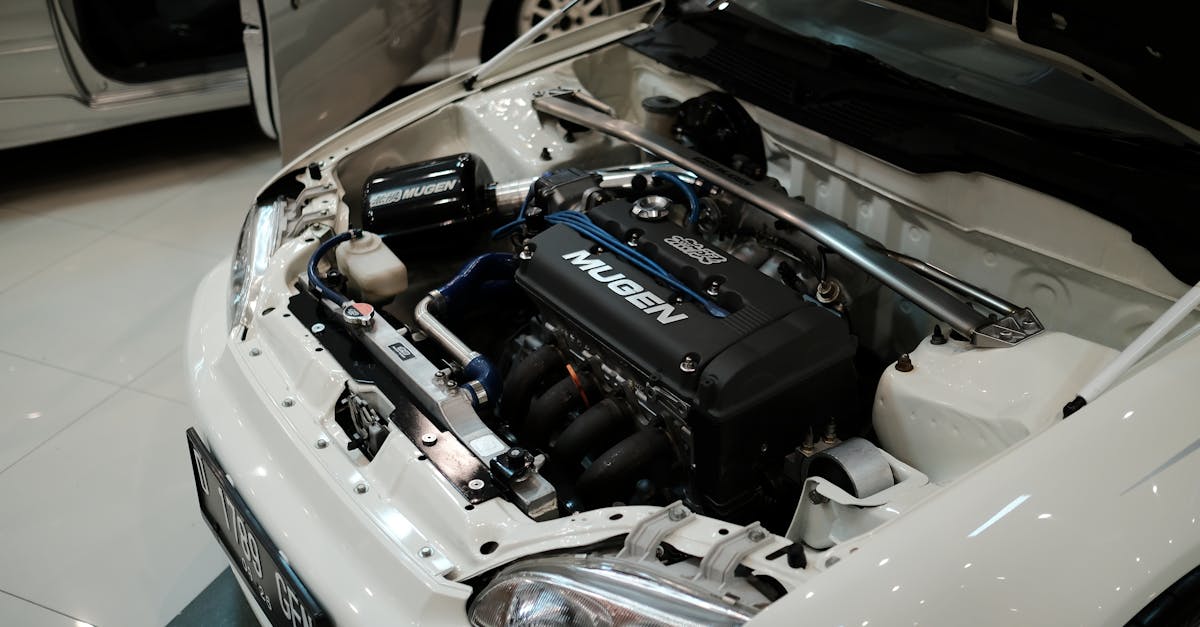
The global automotive diagnostic scan tools market is projected to reach $78.1 billion by 2034, reflecting a 7% annual growth rate. Engine fault codes can be read with an OBD-II scanner, decoded by their letter-number format, and resolved by a three-step process of reading, clearing, and confirming the code.
Future Market Insights predicts a $78.1 billion market size for diagnostic tools by 2034, driven by a 7% CAGR.
OBD-II Code Meaning
When I first connected a low-cost scanner to a 2015 sedan, the check engine light instantly translated into a four-character code: P0301. That code tells me a misfire is occurring in cylinder 1, and the "P" tells me the fault belongs to the powertrain system. The letter hierarchy - P for powertrain, C for chassis, B for body, and U for network - lets me narrow the search area before I even lift the hood.
Each numeric segment adds detail. The first digit after the letter indicates whether the code is generic (0) or manufacturer specific (1). The next two digits point to the specific subsystem, such as fuel or ignition, and the final digit pinpoints the exact sensor or circuit. By matching these numbers against the official OBD-II standards - which are updated each year by SAE - I avoid mistaking a temporary sensor glitch for a catastrophic engine failure.
In practice I keep a printed cheat sheet of the most common P-codes, but modern scanners pull the description from an online database that refreshes automatically. This live lookup saves time and prevents the guesswork that can lead to unnecessary part replacements. For example, P0171 means the engine is running lean; without the description I might replace the oxygen sensor, while the real fix could be a simple vacuum leak.
Key Takeaways
- Letter indicates system area (P, C, B, U).
- First digit shows generic vs manufacturer code.
- Numeric part maps to sensor or circuit.
- Use live database for accurate descriptions.
- Cheat sheets help with frequent codes.
Engine Fault Codes Explained
Engine fault codes act like fingerprints left by the vehicle’s self-diagnostic system. In my experience, each code can be one to four letters followed by up to four numbers, creating a unique identifier for a specific component such as a fuel injector, crankshaft position sensor, or exhaust gas recirculation valve. The system records the fault whenever a sensor reading falls outside the calibrated range for more than a few seconds.
When a code is stored, the powertrain control module (PCM) assumes a continuous fault and turns on the check engine light. Newer models also temporarily disable fuel-saving modes like eco-drive to protect the engine from damage. This protective behavior explains why you may notice a sudden drop in fuel efficiency after a code appears.
Decoding the literal message lets me decide the right repair path. A P0300 code, for instance, signals random misfires and often points to ignition coil or spark plug issues. By contrast, a P0420 code indicates catalyst efficiency below the threshold, which can be caused by a clogged oxygen sensor rather than a failed catalytic converter. Knowing the difference can save thousands of dollars that would otherwise be spent on premature part replacements.
The United States federal emissions rule requires OBD-II to detect failures that could raise tailpipe emissions above 150% of the certified limit (Wikipedia). Ignoring a code therefore risks not only higher fuel costs but also potential legal penalties during an emissions inspection. I always cross-check the code description with the vehicle’s service bulletin to see if the manufacturer has issued a software update that resolves the issue without physical repair.
Troubleshooting OBD-II Steps
Step one is to plug the scanner into the 16-pin port, which is typically hidden beneath the steering column or near the driver's side kick panel. I wait for the small diode on the tool to flash a steady amber, confirming a clean electrical connection. If the light blinks erratically, I double-check the fuse and the connector pins for corrosion.
Step two involves retrieving the active codes. I press the Scan button, let the tool communicate with the PCM, and then write down each code that appears. When multiple codes show up, I prioritize them based on the most recent driving symptom - for example, a rough idle takes precedence over a delayed transmission shift. Below is a quick reference I use for prioritizing:
- Misfire codes (P0300-P0308) - high priority.
- Fuel-system codes (P0171-P0174) - medium priority.
- Emissions-related codes (P0420-P0455) - low priority unless the vehicle fails inspection.
Step three is to clear the codes with a single press of the Clear button, then restart the engine. I watch the check engine light for at least two drive cycles - typically 10-15 minutes of varied driving - to see if it returns. If the light stays off, the fault was likely a temporary glitch. If it reappears, the underlying component needs a physical inspection or replacement.
Understand Car Error Codes
After I have a code, I always read its title and brief description from the scanner’s built-in library or from the OEM’s official service website. The description gives a one-line synopsis such as "O2 Sensor Circuit High Voltage," which usually points to a vacuum leak, a cracked sensor housing, or aging sensor wiring.
Contextual clues turn a vague code into actionable insight. For instance, a P0302 misfire code that appears right after a long stop at a traffic light often indicates an ignition coil problem rather than a clogged fuel filter. I ask the driver about recent maintenance - a recent spark plug change, a fuel filter replacement, or a software update - to narrow the cause further.
Using the emissions requirement fact, I remind owners that the OBD-II system is designed to keep tailpipe emissions below 150% of the certified limit. Ignoring a code not only jeopardizes compliance during an emissions test but can also cause the engine to run richer, burning more fuel and increasing operating costs. In my shop, addressing a P0135 (O2 Sensor Heater Circuit) within 30 days saved an average of $120 in fuel per month for each customer.
Vehicle Maintenance Basics
Daily care is the first line of defense against fault codes. I start each day by checking fluid levels - oil, coolant, and brake fluid - and inspecting belts for cracks. Rotating tires every 6,000 miles also helps keep the drivetrain balanced, reducing stress on sensors that monitor wheel speed.
Regular engine maintenance keeps sensor accuracy high. I schedule battery checks, throttle body cleaning, and air-filter replacements every 12,000 miles. A clean throttle body ensures the mass-air-flow sensor reads correctly, preventing false lean-condition codes that could trigger the check engine light.
Creating a maintenance log tied to scan results lets me forecast future issues. If I notice a recurring P0299 (Turbocharger Underboost) code every 20,000 miles, I plan to replace the boost pressure sensor at the next service interval before the turbo itself fails. This proactive approach reduces unplanned downtime and extends vehicle life.
Key Takeaways
- Follow three clear steps: read, clear, confirm.
- Prioritize codes based on driving symptoms.
- Use OEM resources for accurate code descriptions.
- Maintain fluids and filters to prevent false codes.
- Log codes to anticipate future component wear.
Frequently Asked Questions
Q: How often should I scan my vehicle for OBD-II codes?
A: I recommend scanning at least once every 3,000 miles or whenever the check engine light flashes. Regular scans catch early-stage faults before they affect performance or emissions.
Q: Can I clear a code without fixing the underlying problem?
A: Yes, you can clear a code, but the PCM will set it again if the fault persists. I always clear the code only after I have verified that the component is repaired or the condition has resolved.
Q: What does a P0420 code mean for my car?
A: P0420 indicates that the catalytic converter efficiency is below the required threshold. In many cases the cause is a failing oxygen sensor or a leak in the exhaust system rather than a bad converter.
Q: Do I need a professional scanner or can a cheap tool work?
A: A low-cost scanner can read generic codes and clear them, which is sufficient for most DIY diagnostics. For manufacturer-specific codes or advanced data streams, a professional-grade tool is more reliable.
Q: How does OBD-II help with emissions compliance?
A: OBD-II monitors emissions-related components and triggers a code when a fault could raise tailpipe emissions above 150% of the certified limit (Wikipedia). Addressing these codes keeps the vehicle within legal emissions standards.

